
You’ve probably seen them online — futuristic shapes, panoramic windows, and stunning locations surrounded by nature.
Maybe you’ve watched videos of capsule homes being used as glamping units, Airbnb cabins, resorts, or private retreats.
And now you’re asking:
Are space capsule homes really practical? What makes a high-quality capsule different from a low-quality one?
This guide answers the most common questions first-time buyers ask and explains the key factors you should consider before choosing a space capsule home.
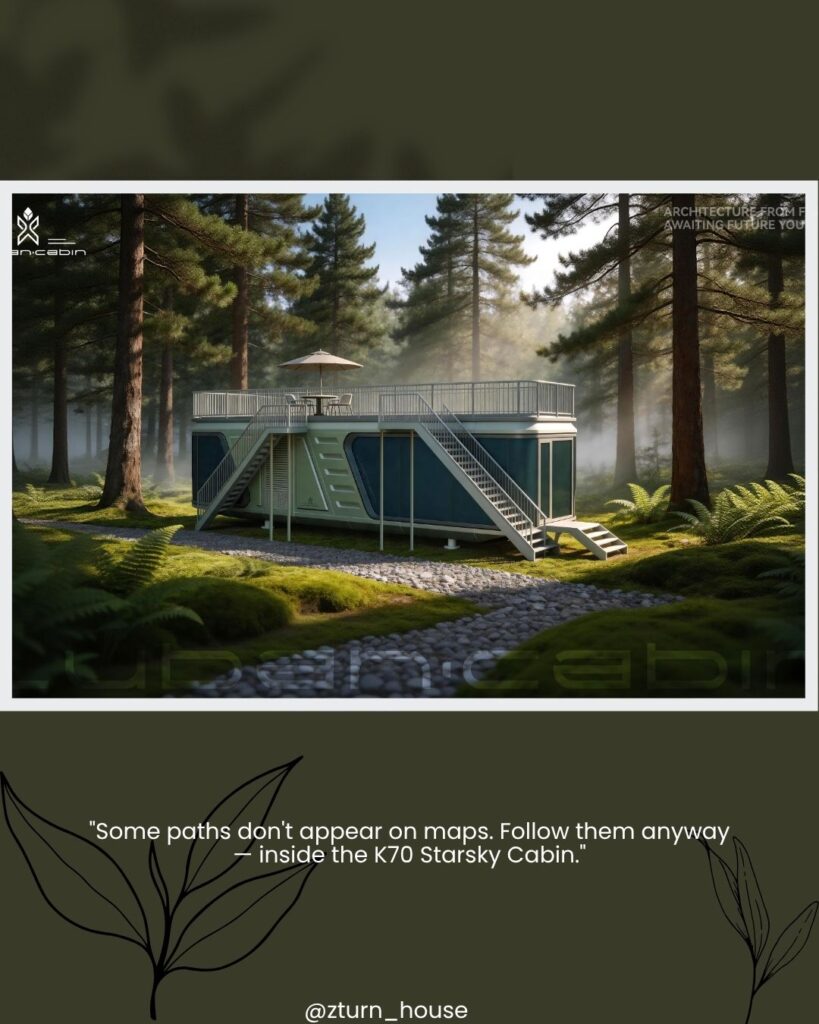
Why Do Space Capsule Homes Have a Futuristic Shape?
The unique curved design is not only about appearance.
Unlike traditional rectangular cabins, the aerodynamic shape of a space capsule is inspired by aerospace design principles. The curved structure helps distribute external pressure more evenly while reducing exposure to wind, rain, and snow.
Beyond its futuristic appearance, the design also creates a more immersive living experience — especially when combined with large panoramic windows that connect the indoor space with the surrounding environment.
Whether placed in a forest, by the ocean, on a mountain, or inside a resort, the capsule shape naturally becomes a visual attraction.
Soundproofing: Can You Really Enjoy Quiet Inside a Capsule?
For outdoor accommodation projects, noise control is an important consideration.
A cabin located near beaches, campsites, roads, or tourist areas may face challenges from wind, rain, and surrounding activities.
Luban space capsules are designed with a multi-layer acoustic system combining:
- Structural sealing
- Sound-absorbing materials
- Insulated wall systems
This helps reduce external noise and creates a more comfortable indoor environment for sleeping, relaxing, and working.
For hospitality projects, better sound insulation means a better guest experience.
Climate Performance: Can Space Capsules Handle Different Weather Conditions?
One of the biggest concerns for first-time buyers is climate adaptability.
A capsule home designed for one environment may not perform well in another. That’s why insulation, waterproofing, ventilation, and material selection are critical.
Luban capsules use advanced insulation systems designed to improve energy efficiency and indoor comfort.
Key features include:
| Feature | Benefit |
|---|---|
| High-density insulation materials | Reduce heat transfer between indoor and outdoor environments |
| Reflective exterior coating | Helps reduce solar heat absorption |
| Multi-layer wall structure | Improves thermal performance in different climates |
From hot tropical regions to colder areas, proper insulation and climate control systems help maintain a comfortable indoor environment.
Extreme Weather: How Does a Capsule Handle Different Environments?
A quality capsule home needs to perform in real-world conditions — not just look attractive in photos.
Tropical climates
For regions with high humidity, heavy rainfall, and coastal environments, common concerns include moisture, corrosion, and mold.
Luban capsule solutions include:
| Challenge | Solution |
|---|---|
| High humidity | Moisture-resistant insulation materials |
| Heavy rainfall | Waterproof structure with drainage design |
| Coastal environments | Aluminum exterior with corrosion-resistant surface treatment |
Cold climates
In colder regions, insulation performance becomes even more important.
A well-designed capsule helps retain indoor heat and reduce energy consumption when combined with appropriate heating systems.
Materials: What Makes a High-Quality Capsule Home?
Not all space capsule homes are manufactured the same way.
The materials used in the structure directly affect:
- Durability
- Maintenance requirements
- Weather resistance
- Service life
Luban space capsules use aerospace-grade aluminum alloy for the main structure, providing:
✓ Lightweight strength
✓ Excellent corrosion resistance
✓ Reduced maintenance compared with traditional steel structures
Combined with high-quality insulation layers and carefully designed components, the capsule is built for long-term outdoor use.
Why Is It Called a “Space Capsule Home”?
The name “space capsule” comes from the inspiration behind the design.
Spacecraft require precise control of temperature, humidity, safety, and comfort. While capsule homes are not spacecraft, they apply similar design thinking:
- Efficient use of space
- Better environmental control
- Compact but comfortable living solutions
This makes space capsule homes especially suitable for locations where traditional construction is difficult or expensive.
How Long Does a Space Capsule Home Last?
Durability is one of the most important questions buyers ask.
A well-maintained capsule home can provide decades of service.
Typical component lifespan:
| Component | Expected Service Life |
|---|---|
| Aluminum structure | 30+ years |
| Insulation system | 20+ years |
| Sealing components | Replaceable during maintenance |
Compared with traditional materials:
| Material | Common Challenges | Lifespan |
|---|---|---|
| Wood | Rot, termites, moisture damage | 5-15 years |
| Steel | Rust and corrosion risks | 10-20 years |
| Aluminum structure | Corrosion resistant, low maintenance | 30+ years |
The advantage of aluminum is not only durability — it also reduces long-term maintenance costs.
The Bottom Line: What Should First-Time Buyers Look For?
When buying a space capsule home for the first time, don’t only focus on appearance or price.
The most important factors are:
✓ Structural materials
✓ Insulation performance
✓ Waterproofing design
✓ Climate adaptability
✓ Manufacturing experience
✓ After-sales support
A high-quality space capsule is not just a futuristic-looking cabin.
It is a complete living system designed to provide comfort, durability, and long-term value.
At Luban Cabin, we combine advanced aluminum manufacturing experience with modern capsule design to create solutions for private living, resorts, Airbnb projects, and commercial spaces worldwide.
Ready to choose the right space capsule for your project?
Contact Luban Cabin and our team will help you select the right model based on your location, climate, and usage requirements.