
If you’re exploring modern small-space living, two options probably stand out: the classic tiny house and the increasingly popular space capsule home.
At first glance, both offer compact living, efficient use of space, and flexible installation. But they are built with very different philosophies.
A tiny house is essentially a smaller version of a traditional home. A space capsule home is a factory-engineered modular living unit, designed for fast installation, durability, and modern lifestyles.
Let’s compare them side by side.
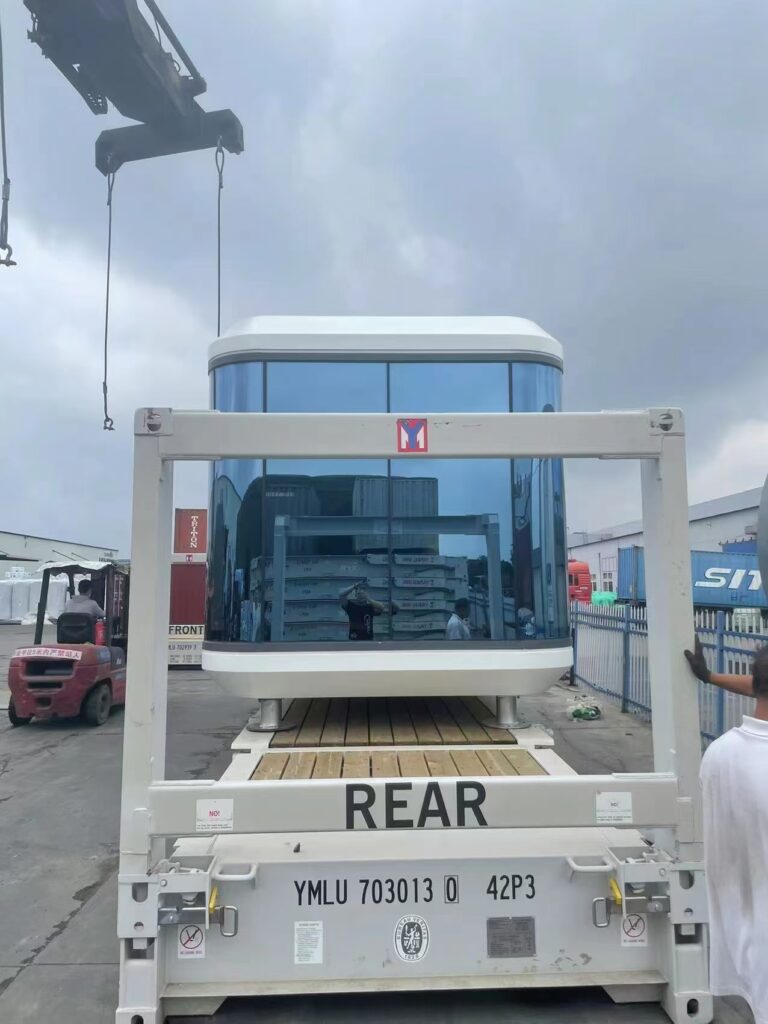
1. Build Time: Faster Project Delivery
Traditional tiny houses are often built on-site or require lengthy customization, which can take several months depending on weather, labor availability, and local permitting.
A Luban space capsule is manufactured in the factory under controlled conditions. Production typically takes 30–45 days, and installation on-site can usually be completed within 1–2 days.
Why it matters: Faster delivery means projects can start generating value sooner.
2. Durability: Built for Long-Term Outdoor Use
Many tiny houses use wood framing, which may require ongoing protection against moisture, insects, and weather over time.
Luban space capsules feature an aerospace-grade aluminum structure with a fluorocarbon-coated exterior for excellent corrosion resistance and long-term durability. Under proper maintenance, the expected service life can reach 30–50 years.
Advantage: Lower long-term maintenance and excellent weather resistance.
3. Insulation: Comfortable Throughout the Year
Tiny house insulation varies depending on the builder and climate requirements.
Luban space capsules are equipped with 100 mm polyurethane foam insulation, designed to perform in temperatures ranging from -40°C to +55°C. Combined with insulated glazing and a sealed aluminum shell, the cabin helps maintain a comfortable indoor environment while reducing energy consumption.
Advantage: Better thermal efficiency in a wide range of climates.
4. Mobility: Designed for Easier Relocation
Moving a traditional tiny house may require special transportation permits depending on local regulations and overall dimensions.
Many Luban space capsule models are designed for efficient container or modular transportation, making relocation and deployment more convenient for commercial projects and resort developments.
Advantage: Greater flexibility for businesses planning future expansion or relocation.
5. Maintenance: Less Time, Less Cost
Wood-based structures typically require periodic painting, sealing, and inspections to maintain their appearance and performance.
The aluminum exterior of a Luban space capsule requires only routine cleaning, while seals can be replaced as part of regular long-term maintenance.
Advantage: Reduced maintenance workload over the product’s lifetime.
6. Long-Term Value
Purchase price is only one part of ownership cost.
Energy efficiency, maintenance requirements, durability, and expected lifespan all contribute to the total cost over many years.
Although a space capsule may require a higher initial investment, many owners find that the reduced maintenance and operating costs provide better long-term value.
Advantage: Lower total cost of ownership over time.
7. Modern Design That Stands Out
Tiny houses often embrace a traditional residential appearance.
Space capsule homes feature panoramic windows, streamlined curves, and a contemporary exterior that attracts attention. For hospitality businesses, glamping resorts, boutique hotels, and scenic destinations, this distinctive design can become a powerful marketing asset.
Advantage: Strong visual appeal for both residential and commercial applications.
Quick Comparison
| Feature | Tiny House | Luban Space Capsule |
|---|---|---|
| Construction | Traditional building methods | Factory-built modular system |
| Production Time | Often several months | 30–45 days |
| Installation | Depends on project | 1–2 days |
| Structure | Commonly wood-framed | Aerospace-grade aluminum |
| Insulation | Varies by builder | 100 mm polyurethane insulation |
| Expected Lifespan | Depends on construction and maintenance | Up to 30–50 years |
| Maintenance | Regular exterior maintenance | Low maintenance |
| Mobility | May require transport permits | Efficient modular/container transportation |
| Design | Traditional | Futuristic panoramic design |
The Bottom Line
Both tiny houses and space capsule homes offer practical alternatives to traditional housing.
If you prefer a conventional residential style, a tiny house may be the right choice. If your priorities are fast installation, modern design, durability, and low maintenance, a space capsule home offers significant advantages—especially for hospitality, tourism, and commercial accommodation projects.
Whether you’re planning a private retreat, a glamping resort, or a boutique hotel, choosing the right solution depends on your long-term goals.
Ready to Compare Your Options?
Whether you’re planning a personal getaway, a resort expansion, or a commercial accommodation project, our team can help you determine which solution best fits your needs.
Contact Luban Cabin today to receive product specifications, floor plans, pricing, and a personalized comparison for your project.