
Space Capsule vs. Modular Container House — Which One Is Better for Modern Living?
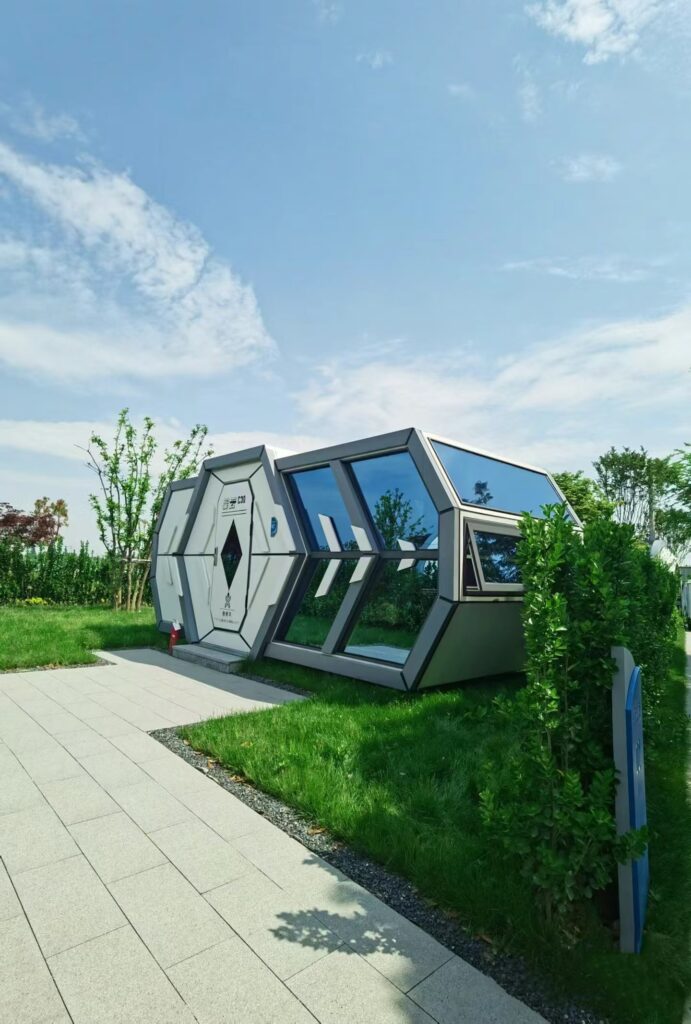
When exploring prefab housing solutions, many buyers compare two popular options: space capsule houses and modular container houses.
At first glance, they may seem similar.
Both are:
- Factory-manufactured
- Faster to install than traditional buildings
- Suitable for hotels, resorts, rental projects, and private use
However, the difference lies beneath the surface.
A container house is adapted from an industrial structure, while a space capsule is designed from the beginning as a modern living solution.
So, which one is the better choice?
Let’s look at the differences that truly matter.
The Core Difference: Designed for Living vs. Adapted for Living
| Factor | Space Capsule | Modular Container House |
|---|---|---|
| Original Purpose | Built specifically for accommodation | Originally designed for cargo transportation |
| Structure | Integrated aluminum shell design | Steel container structure |
| Insulation | Built-in high-performance insulation system | Usually added during modification |
| Mobility | Designed for flexible relocation | More difficult to relocate |
A container house starts with a shipping container and requires additional modifications, including insulation, windows, interior finishing, and utility systems.
A space capsule is created as a complete living unit. The structure, insulation, lighting, ventilation, and interior layout are considered during the design stage.
The difference is simple:
One is modified into a home. The other is engineered as a home.
1. Insulation Performance — Comfort in Every Climate
Insulation is one of the most important factors when choosing a prefab building.
Traditional container houses usually require additional insulation layers after production. This process can reduce interior space and requires careful construction to avoid thermal bridging.
Space capsule homes integrate insulation into the structure from the beginning.
For example, Luban Cabin space capsules feature a 100mm polyurethane insulation system, helping maintain comfortable indoor temperatures in different weather conditions.
The result:
A better-designed insulation system means improved energy efficiency and a more comfortable living experience throughout the year.
2. Materials and Durability — Aluminum vs. Steel
Material selection directly affects the lifespan and maintenance requirements of a building.
Container houses typically use steel structures. While steel provides strength, it requires proper anti-corrosion protection, especially in humid, coastal, or harsh environments.
Space capsules use aerospace-grade aluminum alloy, combined with protective surface treatment.
Advantages include:
- Excellent corrosion resistance
- Lightweight structure
- Reduced maintenance requirements
- Better suitability for outdoor environments
The result:
Space capsules offer a durable solution designed for long-term outdoor use.
3. Windows and Natural Light — More Than Just a View
Natural light can completely change the feeling of a small space.
For container houses, adding large windows requires structural reinforcement because the original design was created for transportation, not residential comfort.
Space capsules are designed with windows as part of the original structure.
Large panoramic glass panels provide:
- More natural light
- Better connection with outdoor scenery
- A more open and comfortable atmosphere
The result:
One feels like a converted box.
The other feels like a modern private retreat.
4. Installation Speed — Ready-to-Use Solutions
Another major difference is installation.
A container house usually arrives as a basic structure and may require additional work, including:
- Interior decoration
- Electrical installation
- Plumbing connection
- Insulation improvements
A space capsule is delivered as a finished accommodation unit.
After positioning and connecting utilities, it can quickly become operational.
The result:
Less construction work.
Faster project launch.
This makes space capsules especially attractive for:
- Glamping resorts
- Boutique hotels
- Airbnb projects
- Backyard accommodation
5. Design Flexibility — Creating Unique Experiences
Modern accommodation is not only about providing a room — it is about creating an experience.
Container houses often follow a rectangular industrial appearance.
Space capsules feature:
- Futuristic designs
- Curved aerodynamic structures
- Large viewing windows
- Customizable interior layouts
For hospitality businesses, a unique appearance can become a marketing advantage and attract more guests.
Quick Comparison: Space Capsule vs Modular Container House
| Feature | Space Capsule | Modular Container House |
|---|---|---|
| Designed for accommodation | ✅ Yes | Usually adapted |
| Structure | Aluminum integrated shell | Steel container frame |
| Insulation | Integrated system | Added during modification |
| Corrosion resistance | Excellent | Requires maintenance |
| Window design | Large panoramic windows | More limited |
| Installation | Ready-to-use unit | Requires additional work |
| Design style | Futuristic & customizable | Industrial style |
The Bottom Line: Which Should You Choose?
A modular container house can be a practical option for certain projects.
However, if your goal is to create a premium accommodation experience, especially for resorts, tourism projects, or private retreats, a space capsule offers advantages in:
✔ Design
✔ Comfort
✔ Durability
✔ Installation efficiency
✔ Guest experience
The difference is not just about the building itself.
It is about the experience people have inside it.
“One was designed for transportation. The other was designed for living.”
Ready to compare the best solution for your project?
Contact Zturn house and let our team help you choose the right space capsule design based on your location, climate, and business goals.