
Capsule House Buyers Guide: What You Need to Know Before You Buy
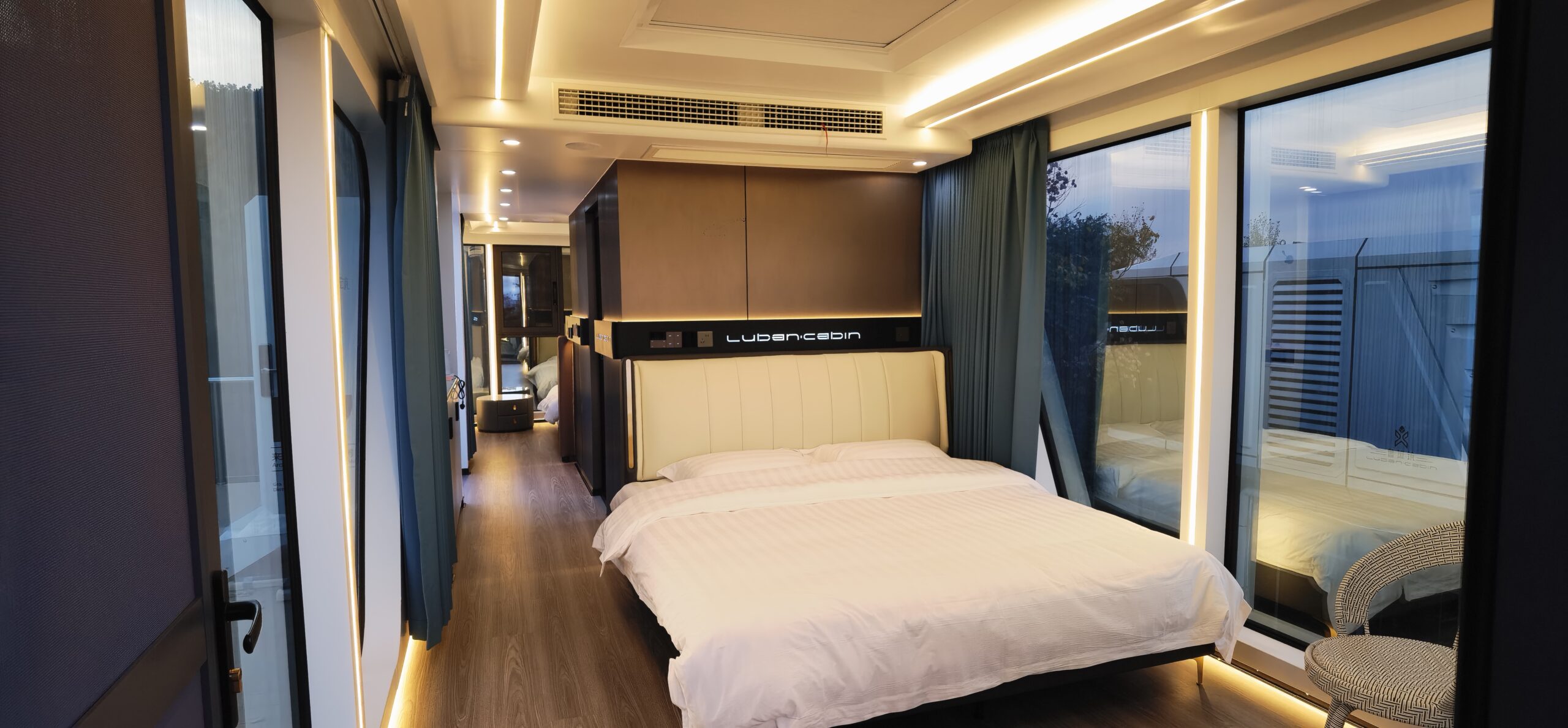
You’ve probably seen them online — futuristic designs, panoramic glass windows, and modern interiors that look like they belong in the future.
Now you’re considering buying a capsule house.
But before making a decision, there are important questions every buyer should ask:
How much does a capsule house cost?
How long does installation take?
Can it handle extreme weather?
How long will it last?
And how do you choose a reliable manufacturer?
This guide covers everything you need to know before investing in a capsule house.
1. What Exactly Is a Capsule House?
A capsule house is a prefabricated living unit designed with a futuristic architectural style.
Unlike traditional construction, capsule houses are manufactured in a factory, with major components, interior finishes, electrical systems, and plumbing prepared before delivery.
Although inspired by space capsule aesthetics, modern capsule houses are complete living spaces — not simple sleeping pods.
A fully equipped capsule house can include:
- Bedroom and living area
- Bathroom facilities
- Kitchen or kitchenette
- Smart home systems
- Heating and cooling systems
- Large panoramic windows
Unlike a traditional tiny house, a capsule house focuses on fast installation, modern design, and flexible applications.
It can be used for:
- Private residences
- Backyard guest houses
- Airbnb rentals
- Glamping resorts
- Boutique hotels
- Commercial accommodation projects
2. How Much Does a Capsule House Cost?
The price of a capsule house depends on several factors:
- Size and layout
- Interior materials
- Smart home features
- Climate requirements
- Transportation distance
- Customization level
A general price range:
| Type | Estimated Price Range |
|---|---|
| Compact capsule house | $30,000 – $60,000 |
| Medium-size premium model | $60,000 – $100,000 |
| Customized luxury capsule | $100,000+ |
The final investment depends on the specific design and project requirements.
Compared with traditional construction, capsule houses can reduce costs related to:
- Long construction periods
- Large labor requirements
- Material waste
- Complex on-site building processes
For investors, the faster deployment time can also mean earlier operation and revenue generation.
3. How Long Does Capsule House Installation Take?
One of the biggest advantages of capsule houses is speed.
Because most construction work is completed in the factory, the on-site installation process is much faster than traditional buildings.
A typical process includes:
Step 1: Production
Factory manufacturing usually takes several weeks depending on the model and customization requirements.
Step 2: Transportation
The unit is shipped to the project location.
Step 3: Installation
With proper site preparation and lifting equipment, installation can often be completed within a short period.
Step 4: Utility Connection
Electricity, water, and other systems are connected before use.
Instead of waiting months for traditional construction, owners can quickly transform unused land into a functional living or business space.
4. How Long Does a Capsule House Last?
The lifespan of a capsule house depends on:
- Material quality
- Manufacturing standards
- Installation conditions
- Maintenance
High-quality capsule houses using aluminum structures and durable exterior materials are designed for long-term outdoor use.
Luban capsule houses use aerospace-grade aluminum materials, which provide:
- Excellent corrosion resistance
- Strong weather durability
- Low maintenance requirements
Compared with traditional wood structures, aluminum helps reduce problems such as:
- Rotting
- Termite damage
- Frequent repainting
With proper care, a well-built capsule house can provide decades of comfortable use.
5. Can Capsule Houses Handle Different Climates?
Climate adaptability is one of the most important concerns for buyers.
A quality capsule house should be designed according to local environmental conditions.
Important features include:
Cold Climate Performance
For colder regions, buyers should consider:
- High-performance insulation
- Double or triple-layer windows
- Heating systems
- Proper floor insulation
Hot Climate Performance
For warmer regions:
- Thermal insulation materials
- Energy-efficient glass
- Ventilation systems
- Air conditioning compatibility
Humid or Coastal Areas
For areas with high humidity or salt exposure:
- Corrosion-resistant materials
- Waterproof design
- Proper drainage systems
A professional manufacturer should be able to recommend suitable configurations based on your project location.
6. Capsule House vs Traditional Tiny House: What’s the Difference?
Many buyers compare capsule houses with tiny houses.
Here are the main differences:
| Feature | Capsule House | Traditional Tiny House |
|---|---|---|
| Production | Factory manufactured | Often built on-site |
| Design | Futuristic architectural style | Traditional home design |
| Installation | Fast installation | Longer construction period |
| Maintenance | Low-maintenance materials | Depends on materials used |
| Applications | Resorts, rentals, residences | Personal minimalist living |
Tiny houses often focus on mobility and minimal living.
Capsule houses focus more on modern design, efficient construction, and commercial applications.
7. What Are Capsule Houses Used For?
Capsule houses are becoming popular in many industries.
1. Tourism & Glamping Projects
Unique accommodation experiences are becoming increasingly popular.
Capsule houses can help resorts and landowners create:
- Scenic stays
- Mountain cabins
- Forest retreats
- Luxury camping experiences
Their unique appearance makes them highly attractive for online marketing.
2. Airbnb & Short-Term Rentals
A capsule house can become a unique rental product.
Compared with ordinary accommodation, futuristic designs can help properties stand out and attract travelers looking for memorable experiences.
3. Backyard Living Spaces
Homeowners use capsule houses as:
- Guest rooms
- Home offices
- Private studios
- Family spaces
They provide additional space without major renovation of the main house.
4. Commercial Projects
Capsule houses can also support:
- Worker accommodation
- Resort expansion
- Rental communities
- Remote living projects
8. How to Choose the Right Capsule House Manufacturer?
Before purchasing, ask your supplier these important questions:
| Question | Why It Matters |
|---|---|
| What materials are used? | Determines durability and maintenance needs |
| What insulation system is included? | Affects comfort in different climates |
| Can you provide previous project cases? | Shows real-world experience |
| What certifications are available? | Ensures quality and market suitability |
| What after-sales support is provided? | Important for long-term operation |
A reliable manufacturer should provide:
✅ Detailed specifications
✅ Factory information
✅ Project references
✅ Clear warranty terms
✅ Professional technical support
The Bottom Line
A capsule house is more than a futuristic-looking building.
It is a flexible solution for modern living, tourism, and property investment.
Before buying, focus on:
- Quality of materials
- Manufacturer experience
- Climate adaptability
- Installation process
- Long-term value
With the right design and supplier, a capsule house can become:
- A profitable rental property
- A unique tourism accommodation
- A private backyard retreat
- A modern living solution
A smart investment starts with choosing the right capsule house for your location and goals.
👉 Ready to explore your capsule house project?
Contact today. Our team can help you select the right model based on your climate, budget, and application needs.